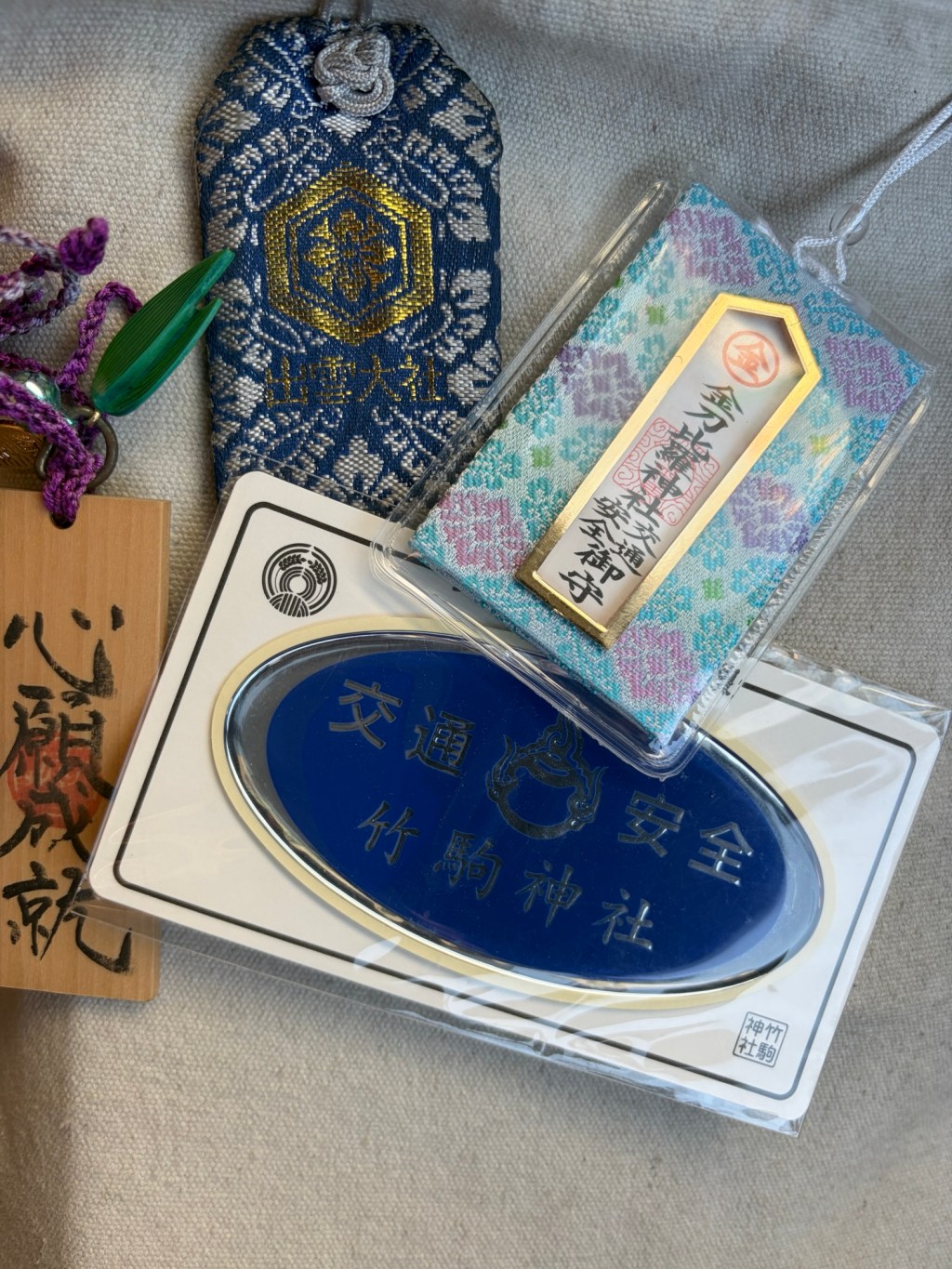
n Japan, there is a unique cultural tradition called Omamori — small protective charms you can get at shrines and temples.
These charms are believed to carry blessings from the gods or Buddha, and people choose them based on their personal wishes.
There are many types of Omamori, such as traffic safety, family safety, health, protection from bad luck, and even good relationships and love.
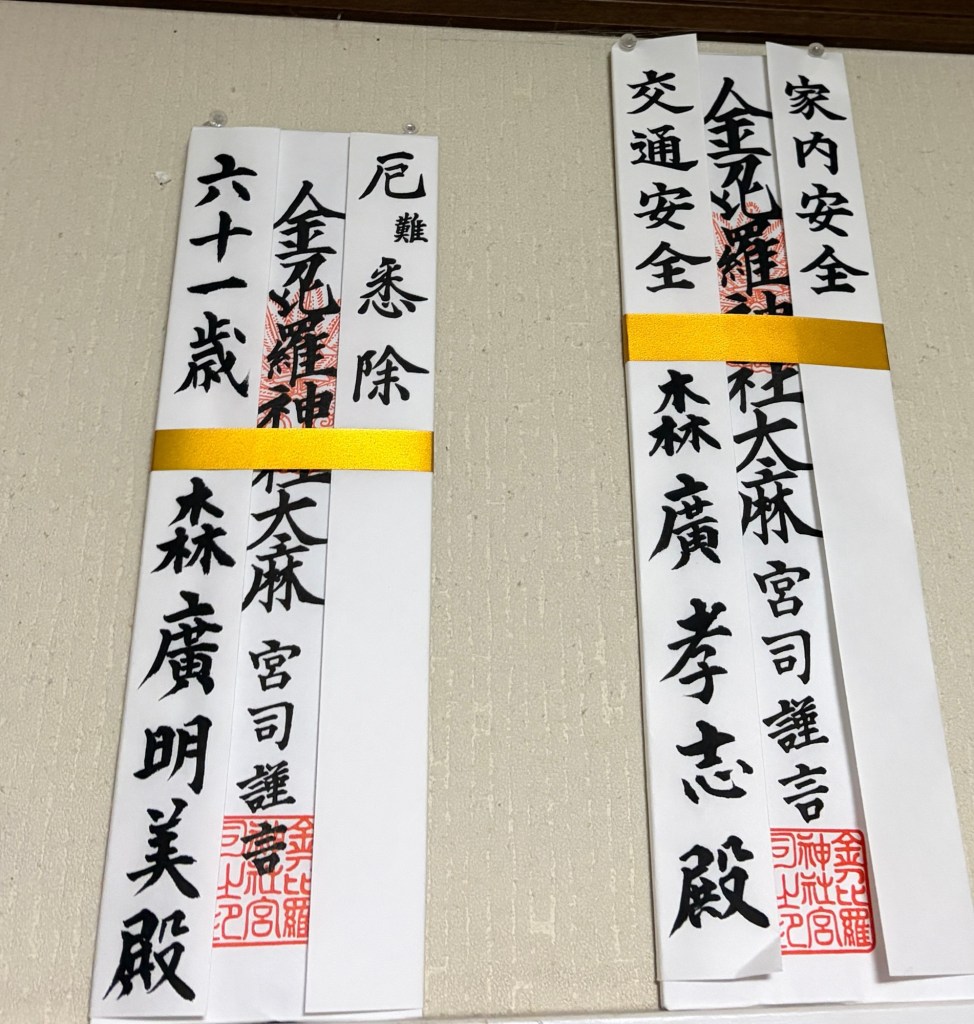
Some Omamori are also related to your zodiac sign or specific years in your life that are believed to bring challenges.
Because of this, people often choose charms that match their current situation or concerns.
If you visit shrines regularly, you may find yourself collecting several Omamori over time.
However, traditionally, Omamori are meant to be kept for about one year.
After that, people return them to the shrine, where they are respectfully burned in a ritual ceremony, often held around mid-January.
This practice symbolizes gratitude and renewal.
That said, there are exceptions.
For example, a traffic safety charm for your car may be kept longer, especially if it was blessed during a special purification ritual.
I once asked a Shinto priest, “How many Omamori should we have?”
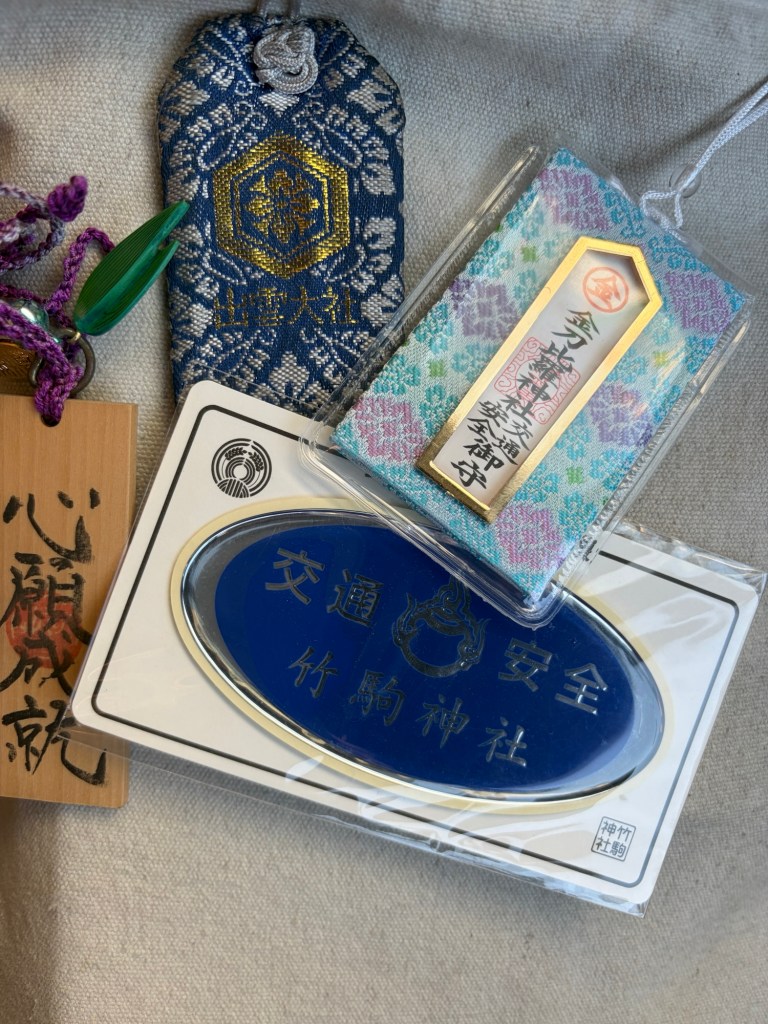
His answer was simple but meaningful:
“As long as you remember and understand each one, you can have as many as you like.”
In other words, what matters is not the number, but your awareness and respect for their meaning.
Forgetting why you have them defeats their purpose.
This reflects a deeper aspect of Japanese culture — the importance of intention, connection, and respect for unseen forces.
Omamori are not just objects.
They are a way for people to carry their hopes, wishes, and gratitude in everyday life.
 Real Japan Life
コメントを残す